
Every second, millions of payments, logins and claims move across digital channels. Each one is a chance for a fraudster to slip through. As businesses move more of their operations online, the attack surface keeps growing, and so does the bill. In 2025, US consumers filed 3 million fraud reports with the Federal Trade Commission and reported $15.9 billion in losses, up from just over $12 billion a year earlier. Investment scams alone accounted for $7.9 billion. And the threat is accelerating: Deloitte’s Center for Financial Services projects that generative AI could push US fraud losses to $40 billion by 2027, growing at roughly 32% a year. The defense is scaling too. MarketsandMarkets expects the global fraud detection and prevention market to grow from $32 billion in 2025 to $65.68 billion by 2030, with AI and machine learning at the center of that spend. The reason is simple. Static rules can’t keep up with fraudsters who now use bots, synthetic identities and deepfakes. AI can learn what normal looks like, spot what doesn’t, and adapt as tactics change. In this guide, we cover how AI fraud detection works, the architecture behind it, the techniques and use cases that matter, and how to implement it the right way. The rise of AI in fraud detection For years, fraud teams relied on fixed rules and thresholds: block any transaction above $5,000 from a new device, flag three failed logins in a row. That worked when fraud was simple and slow. It doesn’t
Read MoreOct 15, 2026 Artificial Intelligence 0

Oct 15, 2026 Artificial Intelligence 0
AI in Fraud Detection: Use Cases, Architecture, Benefits, and Implementation
Oct 13, 2026 Artificial Intelligence 0
Oct 13, 2026 Artificial Intelligence 0
AI in Insurance: Use Cases, Benefits, Architecture and Future Trends
Insurance has always run on data, but putting that data to full use has been difficult for most carriers. Artificial intelligence (AI) is changing that, giving insurers a practical way to draw value out of the enormous volumes of information they hold. Using machine learning, natural language processing (NLP), robotic process automation (RPA), and audio and video analysis, insurers are rethinking what they offer and how they deliver it. The numbers back this up. According to Forbes, AI has driven a 60% rise in operational efficiency across the insurance sector, a 99.99% improvement in claims accuracy, and a 95% gain in customer experience. An Allianz Commercial report projects that the generative AI (GenAI) market across insurance and finance alone will reach $15 billion by 2025 and $32 billion by 2027. McKinsey, meanwhile, estimates that AI could unlock as much as $1.1 trillion in potential annual value for the global insurance industry. Because AI can mimic how humans perceive, reason, learn, and solve problems, it allows insurers to move away from reacting to events and toward anticipating them. That change will touch every participant in the value chain, from brokers and consumers to financial intermediaries, insurers, and suppliers. Those who adopt these technologies can make sharper decisions, get more done, cut costs, and improve the customer journey from end to end. In this article, we look at how AI is reshaping insurance and helping carriers build better products and services. We cover the key applications of AI in insurance, the benefits
Read MoreOct 9, 2026 Artificial Intelligence 0

Oct 9, 2026 Artificial Intelligence 0
AI in Sales: Use Cases, Benefits, Implementation and Future Trends
Strong products and services alone don’t make a business profitable anymore. The companies that win are the ones that use their data well. Artificial intelligence is changing how sales teams work by processing real-time data, surfacing deeper insight into customers, and helping reps turn that insight into revenue. AI strengthens sales operations through its ability to analyze information at a scale no team can match. It helps sales professionals make better decisions, tailor every interaction, and run leaner processes, so they can keep pace in a market that changes quickly. So what does AI actually contribute to sales? It forecasts customer behavior through predictive analytics. It keeps support running around the clock through chatbots. It moves the whole sales process onto a data-driven footing. The result is a sales function that is faster, more grounded in data, and more focused on the customer. AI-driven email automation adds another layer. These systems can schedule and send emails, handle follow-ups, and draft replies. They work out the best time and frequency to reach each lead, so prospects stay engaged without feeling spammed. With AI absorbing these repetitive email tasks, reps can spend their time on strategy and on real conversations with buyers. AI sales assistant software is also becoming central to how sales teams improve productivity and performance. According to Persistence Market Research, this market is expected to grow at a CAGR of 11.4% between 2022 and 2032. It is forecast to rise from US$31.5 billion in 2022 to US$92.8 billion by
Read MoreOct 6, 2026 Artificial Intelligence 0

Oct 6, 2026 Artificial Intelligence 0
AI in Retail: Use Cases, Agentic Workflows, Governance, and Implementation Strategy
Retail runs on thin margins and enormous transaction volumes. A retailer with 50,000 SKUs, 300 stores, and three online channels makes millions of small decisions every week about what to buy, where to place stock, what price to charge, and how to answer a customer. A one-point improvement in forecast accuracy, markdown timing, or search relevance, repeated across that volume, is worth more than most new store openings. That is why artificial intelligence has become an operating priority rather than an innovation project. McKinsey estimates that generative AI alone could unlock $240 billion to $390 billion in economic value for retailers, equivalent to a 1.2 to 1.9 percentage-point margin increase across the industry. Shoppers are changing how they discover products, too. Amazon reports that its Rufus assistant was used by more than 300 million customers and helped deliver nearly $12 billion in incremental annualized sales. For retail leaders, the question is no longer whether AI is relevant. It is where AI belongs in the operating model, which workflows it should support first, what data it needs, and who stays accountable for the decision. This article answers those questions. It explains how AI is changing retail work, maps practical opportunities across nine retail functions, shows how agentic AI workflows operate, reviews verified examples from leading retailers, and outlines a prioritization and governance framework you can apply to your own roadmap. How AI is transforming retail operations AI in retail now works in three layers, and each one solves a different problem.
Read MoreSep 17, 2026 Artificial Intelligence 0
Sep 17, 2026 Artificial Intelligence 0
AI in Legal: Use Cases, Benefits, Challenges and Future
Artificial intelligence is becoming a practical part of legal work. Law firms and corporate legal departments are no longer looking at AI only as an experimental technology. It is increasingly being used to review contracts, search legal information, summarize case files, analyze documents, monitor regulations, and automate repetitive legal workflows. The shift has become more visible in 2026. According to Thomson Reuters‘ 2026 AI in Professional Services Report, 41% of law firms and 47% of corporate legal departments reported using generative AI, compared with 28% and 23%, respectively, in 2025. These figures indicate that generative AI is moving into everyday legal workflows rather than remaining limited to isolated experiments. However, increased adoption does not eliminate the need for legal expertise. AI-generated information can be inaccurate, incomplete, outdated, or unsupported by authoritative sources. The American Bar Association continues to emphasize the importance of professional responsibility and appropriate review when lawyers use generative AI. The opportunity, therefore, is not simply to introduce AI into every part of legal work. The real opportunity is to identify workflows where AI can reduce repetitive effort, improve access to information, and support legal professionals without weakening confidentiality, accuracy, accountability, or professional judgment. This article explores how AI is being used across the legal industry, the technologies behind legal AI solutions, the benefits and risks involved, implementation considerations, development costs, and the future of AI-powered legal workflows. What Is AI in Legal? AI in legal refers to the use of artificial intelligence technologies to support activities such
Read MoreSep 15, 2026 Artificial Intelligence 0
Sep 15, 2026 Artificial Intelligence 0
AI in the Automotive Industry: Use Cases and Trends
A modern vehicle is no longer defined mainly by its engine or chassis. It is defined increasingly by the software and models running inside it: the perception stack that reads the road, the algorithms that plan a route, the systems that predict when a part will fail, and the voice assistant that understands a spoken request. Automakers, suppliers, and mobility companies are applying AI in the automotive industry across the entire value chain, including: This shift is measurable: Fortune Business Insights valued the global automotive AI market at USD 12.84 billion in 2025, projecting it to reach roughly USD 15 billion in 2026 and USD 51.68 billion by 2034. Other research firms define “automotive AI market” more narrowly and arrive at smaller figures, a reminder that this is not yet a single standardized category across the industry. This article looks at what AI in the automotive industry actually means today, where it is delivering measurable results, where it is still maturing, and what the evidence from OEMs, suppliers, and independent researchers says about where it is headed through 2026 and beyond. What Is AI in the Automotive Industry? AI in the automotive industry refers to the set of technologies that let vehicles, factories, and automotive software systems sense conditions, recognize patterns, predict outcomes, and in some cases act with limited or no human input. It is not one technology but a stack of related techniques, each suited to different automotive problems: These technologies rarely work in isolation. A modern ADAS
Read MoreSep 10, 2026 Artificial Intelligence 0
Sep 10, 2026 Artificial Intelligence 0
AI in SaaS: How It Works, Key Benefits, and Its Applications
Software-as-a-Service (SaaS) has already become a default operating model for modern enterprises across industries. The reason is simple: it is replacing on-premises systems with scalable, subscription-based cloud applications. What next? Today, this SaaS transformation is entering a second, more disruptive phase driven by Artificial Intelligence (AI). This convergence of SaaS and AI is not simply enhancing existing software but also redefining how software is built, delivered, and consumed. The scale of this AI shift is also reflected in market momentum. According to the Fortune Business Insights report, the global AI SaaS market was valued at approximately USD 22.21 billion in 2025 and is projected to reach USD 367.6 billion by 2034, growing at a CAGR of around 36.6%. This rapid expansion clearly indicates growing AI adoption and structural dependence of modern enterprises on AI-enabled software ecosystems. Worth mentioning, broader economic estimates also suggest AI could contribute up to $15.7 trillion to the global economy by 2030, driven by factors such as productivity gains, automation, and decision intelligence across industries. In practice, AI is turning traditional SaaS tools into adaptive systems that learn from user behavior, automate decisions, and bring real-time personalization at scale. From customer engagement platforms to enterprise resource planning systems, AI is shifting SaaS from static workflows to intelligent, self-optimizing ecosystems. Understanding this evolution helps businesses to stay competitive in a rapidly transforming digital economy. How AI Works in SaaS Systems Before exploring AI-enabled SaaS applications, it is important to understand how AI fits into a SaaS environment.
Read MoreSep 9, 2026 Artificial Intelligence 0
Sep 9, 2026 Artificial Intelligence 0
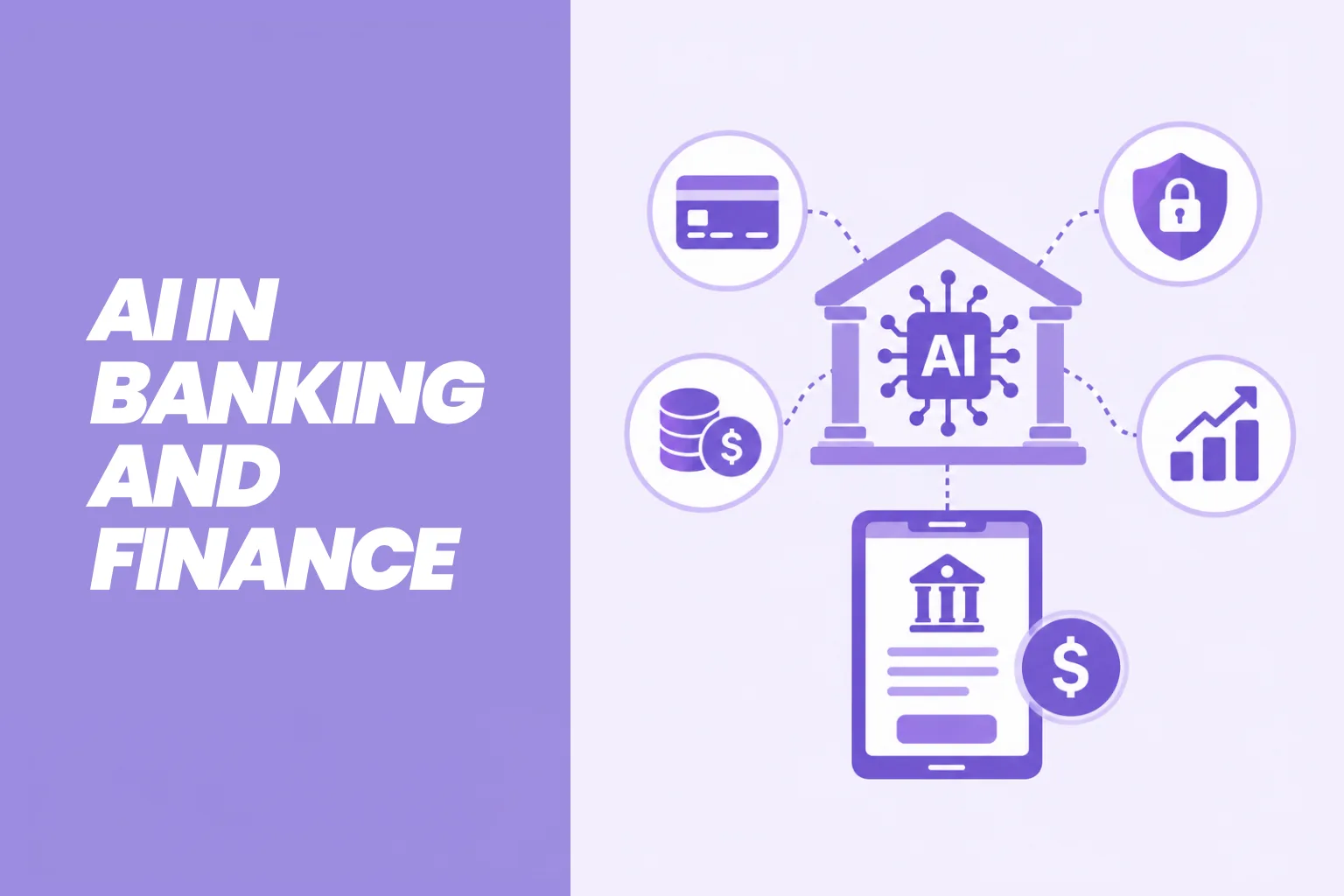
AI in Banking and Finance: Use Cases, Benefits, Challenges and Future
A fraud team that once reviewed flagged transactions the next morning now scores them in the milliseconds between a card swipe and an authorization decision, using a model trained on years of transaction history instead of a fixed rule set. That shift, from after-the-fact review to real-time decisioning, is a fair summary of what AI has actually changed in banking: specific, well-bounded decisions inside specific workflows getting faster, more consistent and, in many cases, more accurate. This article covers where AI genuinely earns its place in banking and finance today, the benefits that hold up under scrutiny, the risks that come with them, and what a realistic implementation path looks like. What Is AI in Banking and Finance? AI in banking and finance is the use of machine learning, NLP, computer vision, and generative AI to automate or improve decisions across lending, payments, risk, compliance, and customer service. It isn’t one technology: a fraud model, a chatbot and a ledger-reconciling agent work in fundamentally different ways. The Bank for International Settlements notes that institutions currently deploy AI mostly to strengthen internal operations and compliance rather than generate revenue directly, with generative AI adoption still cautious compared with established machine learning. Most of what counts as “AI in banking” today is quieter than the agentic-banking headlines suggest. Why Are Banks and Financial Institutions Adopting AI? Manual review, static rules and legacy risk models no longer hold up against the volume and sophistication of modern financial activity. Fraud has gotten faster and
Read MoreSep 8, 2026 Artificial Intelligence 3
Sep 8, 2026 Artificial Intelligence 3
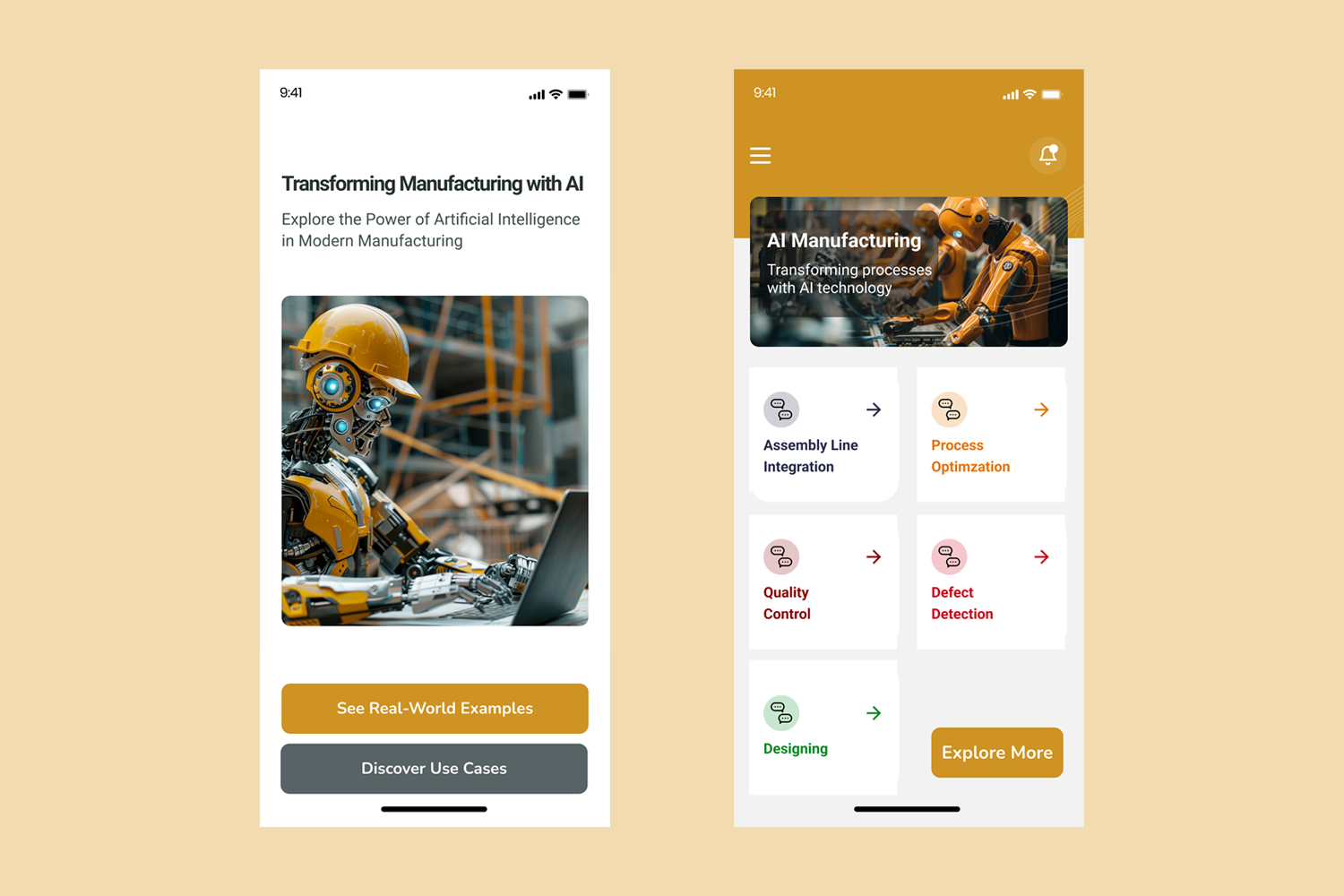
AI In Manufacturing: Top Use Cases And Examples
Wondering how AI in manufacturing is revolutionizing the industry landscape? From performance optimization to streamlining manufacturing processes, reducing operational to predictive maintenance, Artificial Intelligence is revolutionizing the manufacturing industry.
Read MoreSep 7, 2026 Artificial Intelligence 0
Sep 7, 2026 Artificial Intelligence 0
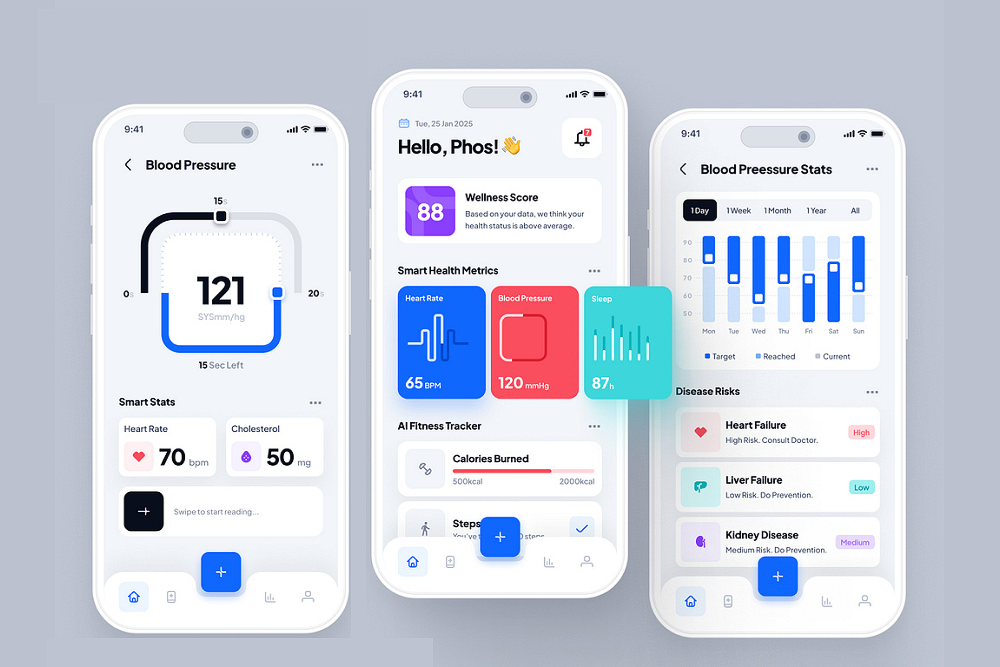
AI In Healthcare: Its Impact, Use Cases, And Future Scope
The role of AI in healthcare is quickly reshaping the healthcare industry, making it more efficient, effective, and impactful than ever. From streamlining administrative tasks to diagnosing with high-end accuracy, here we will explain to you how Artificial Intelligence is transforming the healthcare industry.
Read MoreSep 7, 2026 Artificial Intelligence 0
Sep 7, 2026 Artificial Intelligence 0
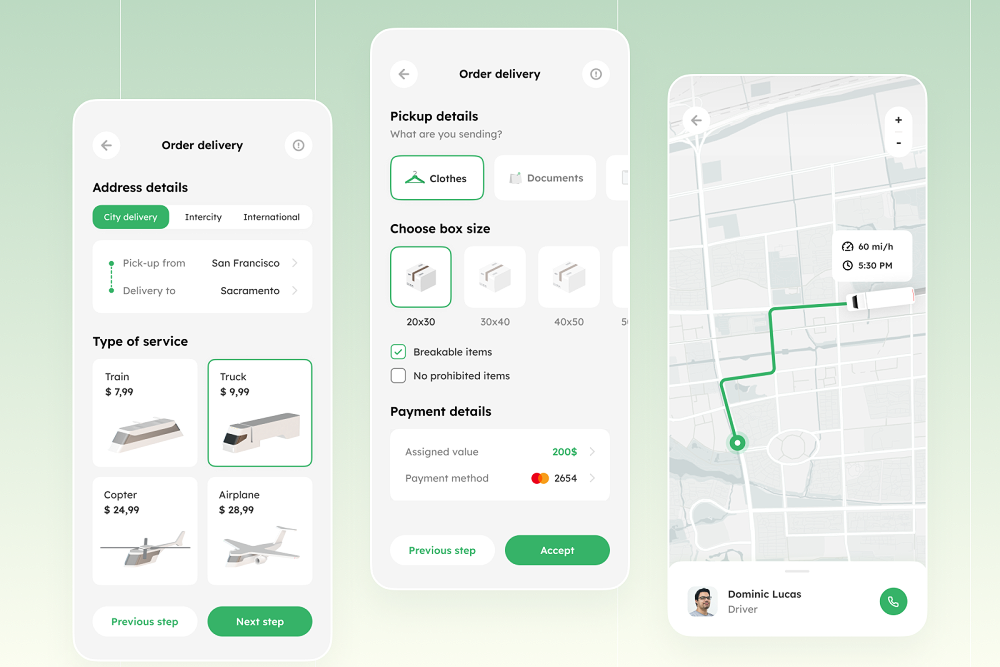
AI In Logistics Industry: Key Use Cases And Benefits
AI in logistics and supply chain management can transform your business operations by providing better access to monitoring tools, negotiating shipping and procurement rates, and making future market predictions. Integrating the capabilities of artificial intelligence into logistics will be a sensible decision, but how…
Read MoreSep 4, 2026 Artificial Intelligence 0
Sep 4, 2026 Artificial Intelligence 0
Alcax’s AI Center of Excellence for Enterprises: Framework, Structure, Roles, and Business Impact
Alcax’s AI Center of Excellence empowers enterprises with a clear framework, defined roles, and governance to scale AI initiatives, accelerate innovation, and deliver measurable business outcomes across the organization.
Read MoreSep 3, 2026 Artificial Intelligence 5
Sep 3, 2026 Artificial Intelligence 5
11+ Top AI App Ideas In 2026: Make Your Business Future-Ready
Looking to make your business future-ready with AI capabilities? Here are the top AI app ideas in 2026 that you need to pay attention to make your business stand strong in the next decade.
Read MoreMar 10, 2026 App Development 0

Mar 10, 2026 App Development 0
9+ Blockchain Programming Languages In 2026
Looking to expand your business efficiency by leveraging Blockchain capabilities? Here are the top choices of blockchain programming languages for app development in 2025 that can ensure faster coding, easy maintenance, and high scalability of the business solution. Let’s get into the detailed blog.
Read MoreSep 19, 2025 App Development 0
Sep 19, 2025 App Development 0
What Is PoC In Business: How It Can Help You Decode The App Launch?
So, what is PoC in business? Proof of Concept is considered a powerful tool in the business landscape that allows organizations to validate and evaluate the potential of mobile apps, analyze risks, and identify the scope of innovation. In this blog, we have provided a holistic understanding of how it works and how far it is helpful to your business.
Read MoreNov 18, 2024 Data Analytics 2
Nov 18, 2024 Data Analytics 2
Complete Guide To Hire Offshore Flutter Developers
Thinking of hiring an offshore Flutter app developer, but wondering where to get started and how to onboard the right team on your next project? Here is a complete guide explaining everything to hire offshore Flutter developers who can deliver quality solutions.
Read MoreNov 15, 2024 App Development 0

Nov 15, 2024 App Development 0
How Much Does It Cost To Build An Online Marketplace App?
Do you want to start an online marketplace like Etsy or Amazon? But not sure how much it costs to build an online marketplace platform with all innovative features. Here we have a complete explanation of must-have features, cost estimations, business models, and team requirements.
Read MoreNov 14, 2024 Blockchain 2
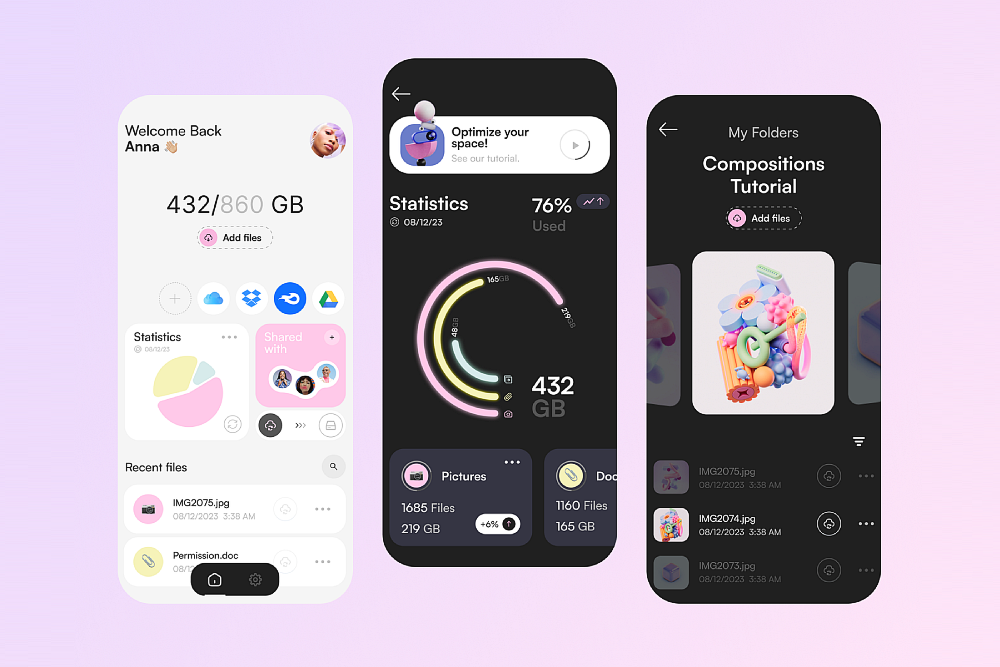
Nov 14, 2024 Blockchain 2
Top On-Demand App Development Ideas In 2025
Looking to enhance the digital presence of your business? From on-demand food delivery services to on-demand multi-delivery platforms, we have concluded various top on-demand app development ideas that seamlessly run on multiple platforms and have great business future scope. Here are the details of top platforms and cost estimations!
Read MoreNov 12, 2024 App Development 1

Nov 12, 2024 App Development 1
How Much Does It Cost To Build A Restaurant Management App?
Looking to create a restaurant management app for your business? The average cost to build a restaurant management app ranges between $20,000 to $30,000+ with various features, tech-stack, and multi-platform support. Apps with a higher complexity will cost $50,000+ depending upon various factors.
Read MoreNov 10, 2024 App Development 0
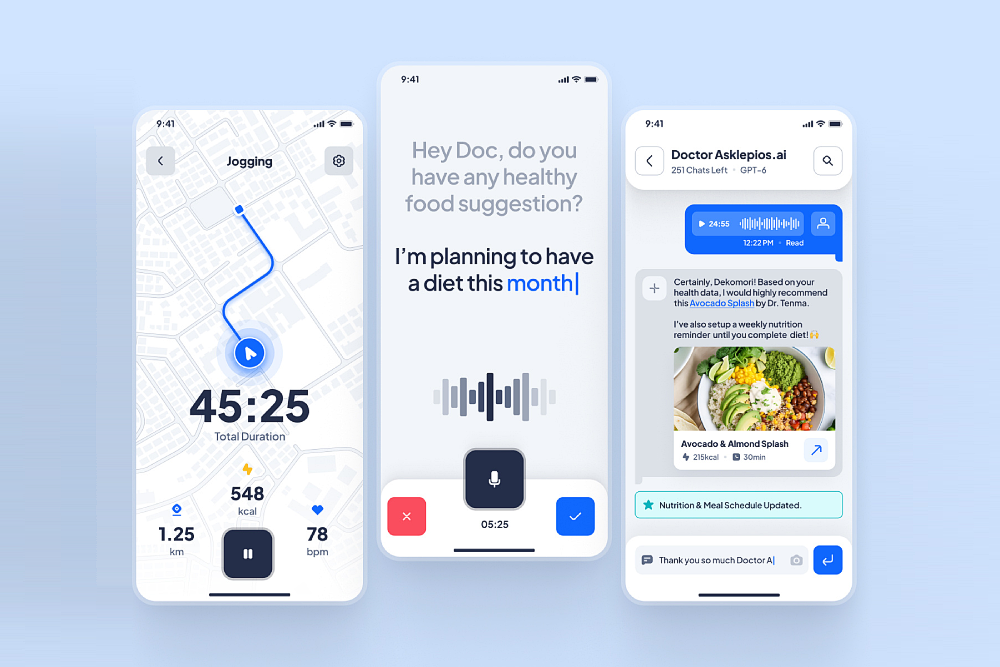
Nov 10, 2024 App Development 0
iPhone 16 Series Released: Make Your iOS App Ready For It
This week, Apple officially came out with its most awaited iPhone 16 series release. Like every year, whenever a new generation comes out in the market, there is one question for every iOS app owner- what new to update in the app? Let's consider how you can update it!
Read MoreNov 5, 2024 App Development 1
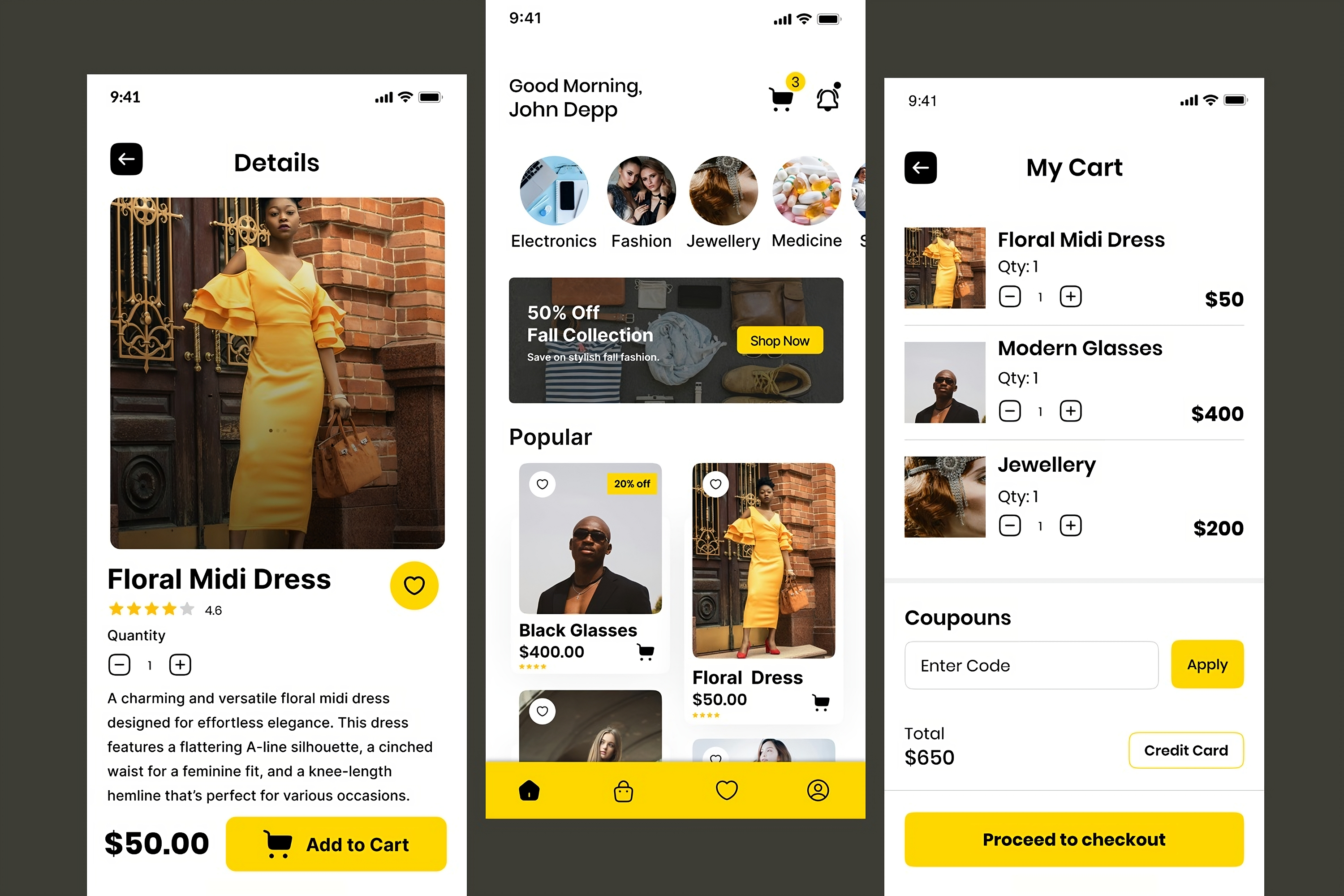
Nov 5, 2024 App Development 1
How Much Does It Cost To Create An E-commerce App?
Looking to take your retail business to an e-commerce platform? But how much does it cost to create an e-commerce app? The estimated cost to develop an e-commerce app would range from $20,000 to $30,000+ and can go to $50,000+ for the advanced app version. Here’s what it includes.
Read MoreOct 26, 2024 App Development 7
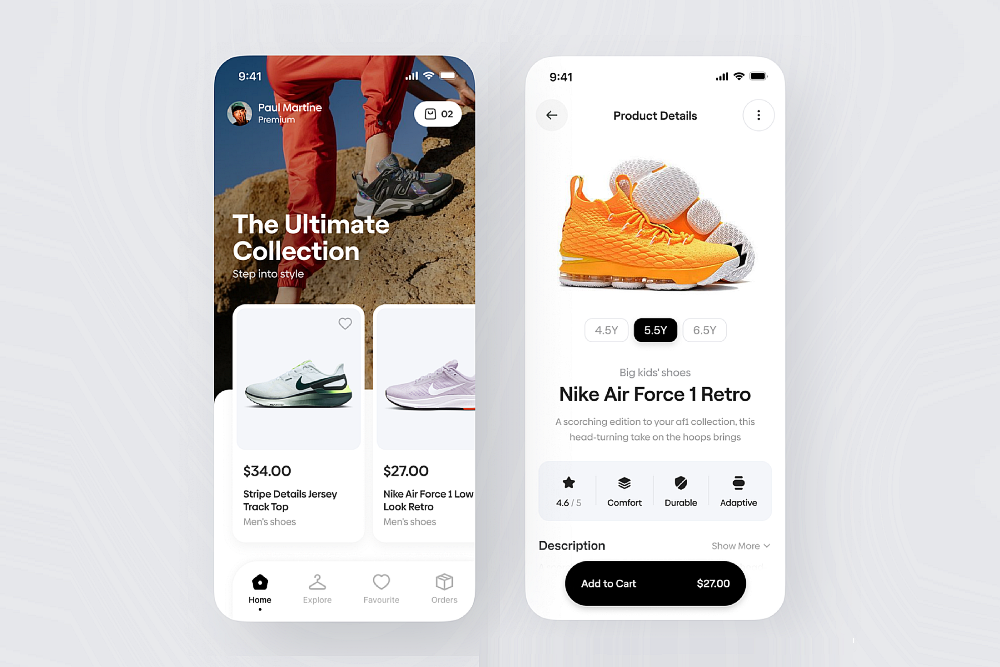
Oct 26, 2024 App Development 7
How Much Does It Cost To Hire Mobile App Developer?
So how much does it cost to hire a mobile app developer? The cost to hire an app developer depends on your project programming needs, the type of integrations required, and whether you want to use native or cross-platform solutions. Here we have a complete blog!
Read MoreOct 25, 2024 App Development 1

Oct 25, 2024 App Development 1
How Much Does It Cost To Build A Social Media App?
Are you also impressed with the success of social media apps like Facebook, Instagram, or Twitter? Want to build a social media app that drives trillions of revenue, but not sure how much will it cost to build a social media app practically? Here's a complete blog guide.
Read MoreOct 23, 2024 App Development 2
Oct 23, 2024 App Development 2
How Much Does It Cost To Create A Mobile Banking App?
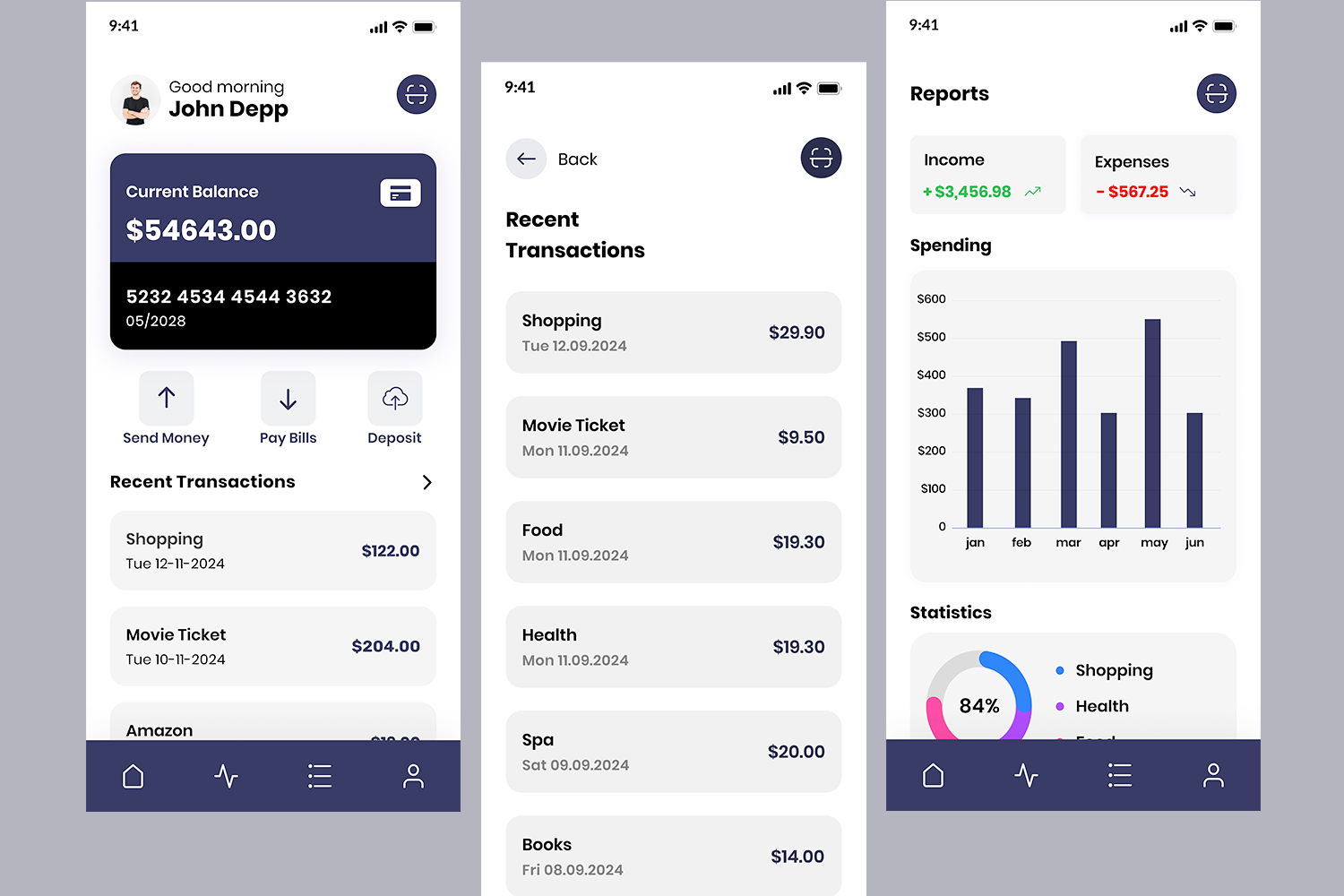
Mobile banking app development is quickly revolutionizing banking and financial markets and ensuring secure, user-friendly services with modern fintech and mobile banking apps. So if you are looking to create a custom banking app, then consider this comprehensive guide.
Read MoreOct 19, 2024 App Development 1
Oct 19, 2024 App Development 1
How Much Does It Cost To Create A Food Delivery App?
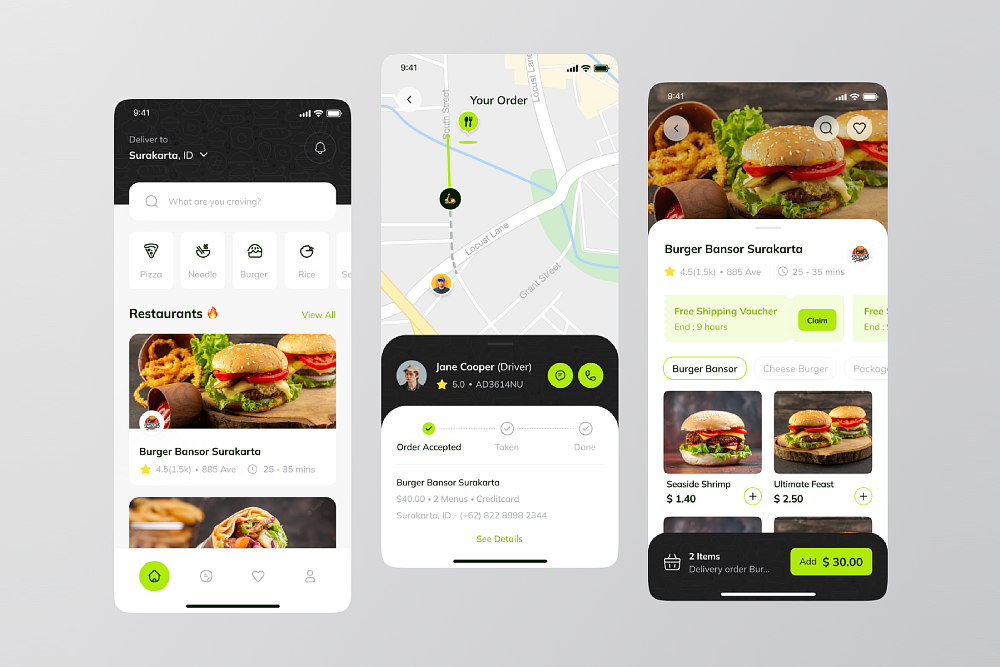
Do you run a food business and want to use a food delivery app similar to Uber Eats or Deliveroo Glovo? But still not sure about how to get started with the app development process and how much does it cost to create a food delivery app and what features do you need to integrate to make it work flawlessly like Uber.
Read MoreOct 4, 2024 App Development 3
Oct 4, 2024 App Development 3
How Much Does It Cost To Hire An Android App Developer?
So finally you decided to create an Android app for your business, but not sure how much it costs to hire an Android app developer. Here we have provided an estimated hourly cost to hire an app developer and included all the factors affecting the overall hourly cost.
Read MoreSep 30, 2024 App Development 3

Sep 30, 2024 App Development 3
How Much Does It Cost To Create A Taxi Booking App?
Looking for taxi booking app development cost? Well, there are several factors affecting the overall app development cost and make a great variation. So it is worth understanding what exactly goes into app development and what contributes to the cost. Let’s get into the details of the taxi booking app development process.
Read MoreAug 21, 2024 App Development 1
Aug 21, 2024 App Development 1
Car Insurance App Development: Features, Process And Costs
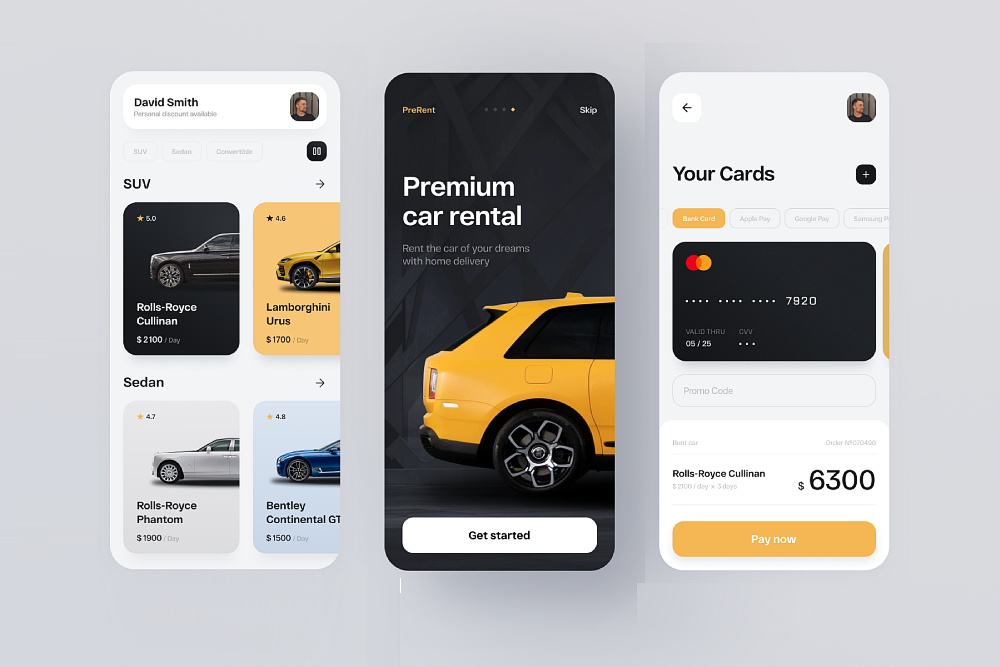
Looking to streamline the policy management procedures and automate the car insurance claim process? Investing in car insurance app development solutions is a worthy decision. Here we have provided a complete guide on how to create a car insurance app, its cost, features business model, and tips.
Read MoreJul 20, 2024 App Development 0
Jul 20, 2024 App Development 0
Doctor Appointment App Development: Necessity, Functionality, & Cost
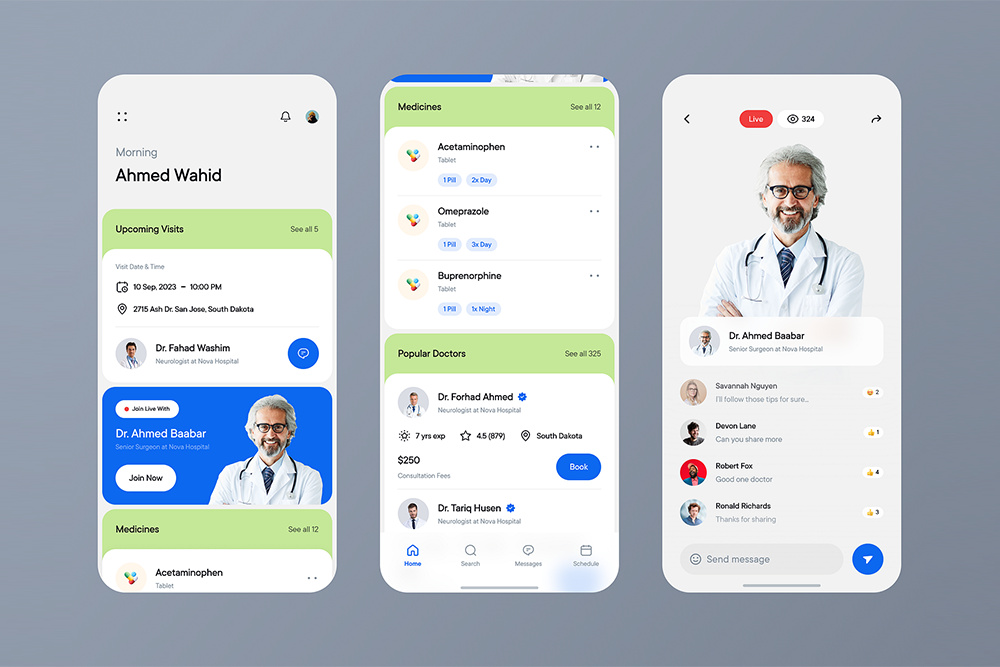
Discover seamless doctor appointment mobile app development solutions. Enhance healthcare accessibility with our expert app development services.
Read MoreJun 13, 2024 App Development 0
Jun 13, 2024 App Development 0
Why Flutter App Development is Ideal for Businesses?
Discover the power of Flutter for cross-platform app development. Boost your business with efficiency and reach a wider audience seamlessly.
Read More